
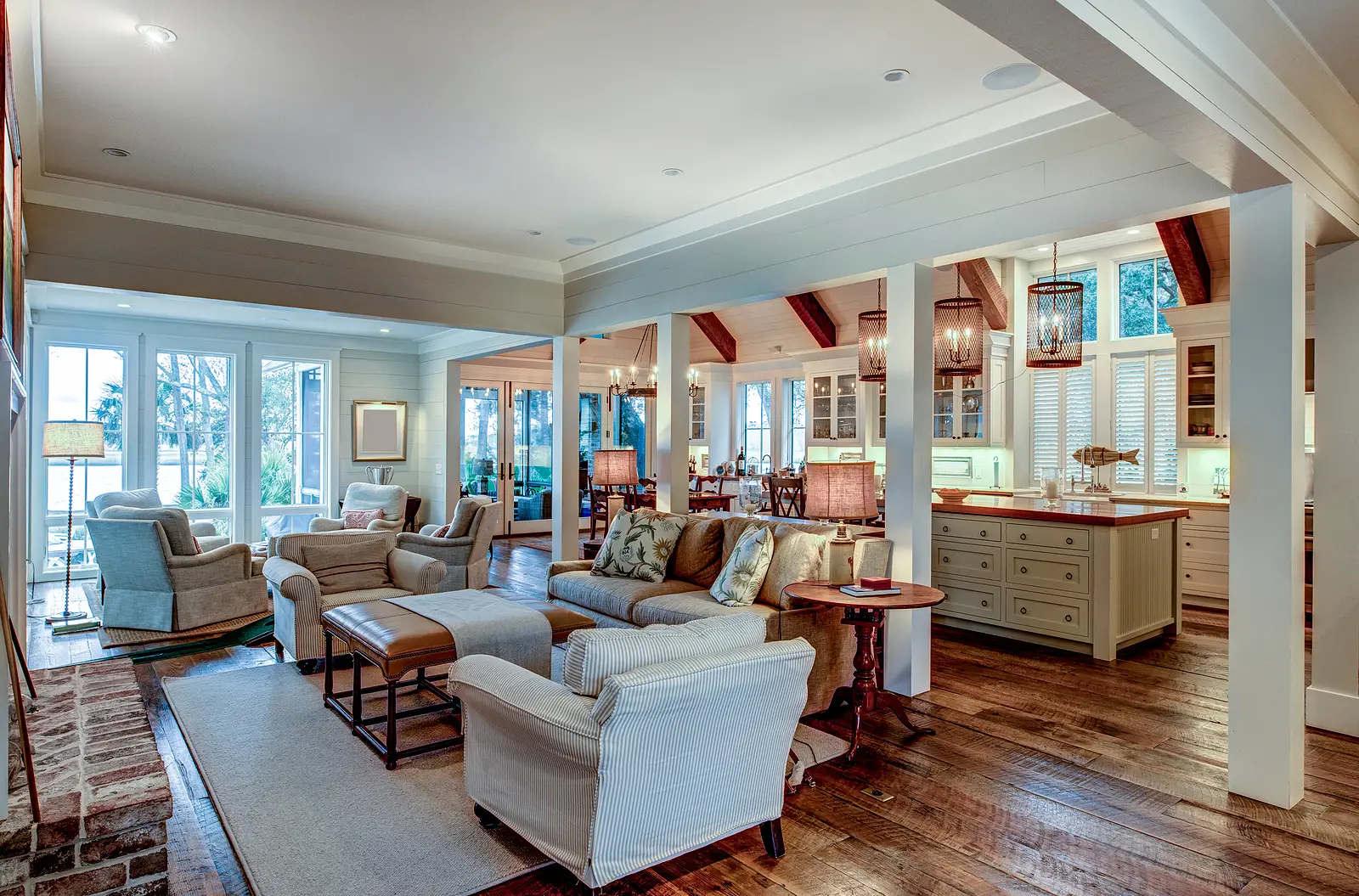
A rental can look polished, yet still feel awkward once someone tries to live in it, and that’s where layout becomes your quiet advantage. When you’re evaluating upgrades or comparing units, our rental ROI strategies help tie floor plan decisions to the kind of performance Tacoma owners actually care about, faster leasing, fewer headaches, steadier renewals.
In Tacoma, WA, residential renters are paying close attention to how a home supports real routines, rainy-day entryways, work-from-home setups, school mornings, and simple privacy. Below, we’re breaking down the layout features that tend to attract stronger applicants and encourage longer stays, while keeping the home easier to manage over time.
Key Takeaways
- Smart layouts help Tacoma rentals feel livable, which supports faster leasing and longer renewals.
- Bedroom placement affects privacy and noise control, especially for roommates and mixed schedules.
- Flexible spaces raise appeal for work, study, hobbies, and changing household needs.
- Kitchen, laundry, and storage design reduces daily friction, cutting down on tenant frustration.
- Family- and pet-friendly flow lowers wear and turnover by making movement around the home easier.
Open Living Spaces That Feel Bigger Than They Are
A great layout starts where tenants spend most of their time. Living and dining areas shape how the home feels during a showing, then they shape how it functions once the novelty wears off. In Tacoma, renters often want an open feel, plus a sense that each area still has a purpose.
Open-concept plans remain popular for a reason. They bring in light, improve sightlines, and make smaller footprints feel more comfortable for everyday use. Nationwide demand reflects this, with 54% of new homes featuring open kitchen-dining layouts.
Keep Flow Practical During Wet Season
Tacoma’s weather influences how people use space. A layout that anticipates wet shoes, coats, and umbrellas can feel instantly more livable.
A few design-minded choices help open spaces work better:
- Add a small landing zone near the entry for boots and bags, even if it’s just a bench and hooks.
- Keep pathways clear from entry to kitchen, so people aren’t cutting across furniture with groceries.
- Use a peninsula or island to create separation without closing the space off.
Make Outdoor Access Useful, Not Decorative
Even with frequent rain, patios and yards matter. Tenants still want a place for fresh air, pets, or a quick break. Layouts that place outdoor access near the kitchen or main living area tend to feel more natural, and they support better day-to-day use.
Bedroom Placement That Supports Peace and Privacy
Bedrooms are where tenants decide whether the home feels restful. Tacoma rentals often serve roommates, families, and multigenerational households, which means privacy and sound control play a bigger role than many owners expect.
The goal is harmony. When bedrooms are positioned thoughtfully, tenants can share a home with fewer conflicts, and that often translates into fewer complaints and longer tenancies.
Split Layouts Help Mixed Schedules
A split-bedroom arrangement, where at least one bedroom sits away from the main living area, helps reduce noise disruption. This matters when someone works early shifts, studies late, or has kids on a different schedule.
Bathroom Access Should Feel Intuitive
Tenants notice when a bathroom is inconvenient. A strong layout avoids forcing someone to pass through a bedroom to reach a bathroom, and it avoids placing bedroom doors directly off the loudest part of the home.
If you’re aligning layout improvements with resident expectations, our guide on tenant upkeep duties is a helpful companion, because smart placement can reduce wear in high-traffic areas and prevent avoidable disputes.
Primary Bedroom Comfort Encourages Longer Stays
A primary bedroom that includes usable closet space and comfortable bathroom access tends to feel “settle-in ready.” That impression matters for tenants who want stability and may renew if the home supports their routines.
Flex Spaces That Match How People Live Now
Rigid floor plans can feel outdated quickly. Tacoma renters are looking for spaces that adapt, a spare room, a loft nook, a wide hallway corner, or a dining area that can double as a workspace.
Remote work continues to influence housing decisions, and there are 36.07 million remote part-time workers in the U.S. That number shows how many renters still need a home that can support focus and productivity.
What Makes a Flex Space Actually Useful
A flex area doesn’t need to be large. It needs to be workable.
A few traits help it feel intentional:
- Strong lighting, preferably with a window nearby
- Accessible outlets that don’t require extension cords
- Enough wall space for a desk, shelving, or storage
Tenants often decide quickly whether a room feels “possible.” When it does, applications get stronger.
Design It So It Doesn’t Hijack the Living Room
Flex space is especially valuable when it keeps work and hobbies from taking over the main living area. That separation helps tenants feel organized, and it often leads to better long-term satisfaction.
Kitchens and Laundry Zones That Reduce Daily Friction
Kitchens and laundry areas don’t just affect showings, they affect every day. When these spaces are awkward, tenants feel it constantly. When they work smoothly, the home feels easier to live in, and that can influence renewals.
Here are high-impact layout priorities that often outperform cosmetic upgrades:
- Create clear paths around appliances, especially the fridge and oven.
- Protect a dedicated prep zone, even in smaller kitchens.
- Keep storage within reach, so tenants aren’t forced into clutter.
- Place laundry where it’s convenient, with ventilation and sensible access.
Owners often evaluate these improvements through a performance lens. Our article on financial metric essentials helps connect layout upgrades to the numbers that matter, vacancy, maintenance costs, and long-term returns.
Why Laundry Placement Impacts Retention
In-unit laundry is a standout feature in Tacoma’s residential rentals. Tenants often treat it like a necessity, especially for families, shift workers, and commuters. Laundry that’s easy to access, without blocking hallways or tight kitchen walkways, feels like a quality-of-life upgrade.
Family- and Pet-Friendly Flow That Protects the Home
Many Tacoma renters have kids, pets, or both. Layouts that welcome real movement tend to keep tenants longer, while also reducing accidental damage.
A good floor plan makes daily circulation easy:
- Entry-to-living pathways stay open, so traffic doesn’t funnel through narrow corners.
- Outdoor access feels convenient for pet breaks and play.
- Sightlines help caregivers keep an eye on kids without hovering.
This is also where maintenance strategy matters. When flow is sensible, access to high-use areas is easier, and scheduling repairs becomes less disruptive. Our guide with maintenance coordination tips can help you keep routines smooth for tenants while protecting the home.
Storage and Accessibility That Make Homes Feel More Livable
Storage is one of the fastest ways to make a rental feel “bigger,” without changing square footage. Tenants may not mention storage during a tour, yet they’ll absolutely notice its absence after move-in.
Storage Should Support Tacoma Life
Tacoma renters often have rain gear, seasonal clothing, sports equipment, and bikes. Layouts that support organization tend to reduce clutter, and clutter often becomes wear on floors and walls.
High-value storage areas include:
- Linen closets near bathrooms
- Pantry space that clears counters
- Entry storage for coats and shoes
- Garage, shed, or dedicated utility space
Accessibility Helps You Reach More Renters
Single-story layouts often appeal to families with young kids and older renters. Two-story homes can perform just as well when the layout is logical, bedrooms grouped sensibly, bathrooms where they’re needed, and pathways that don’t feel cramped.
Ongoing maintenance protects these strengths. If you’re ever weighing repair responsibilities and how they affect long-term planning, our breakdown on who pays repairs can help you align decisions with lease terms and operational realities.
Keep High-Use Areas Reliable
The best floor plan still needs reliable doors, windows, vents, and moisture control in bathrooms and laundry areas. Preventive attention keeps small issues from becoming disruptive, and tenants tend to stay longer in homes that simply work.
FAQs about Creating the Best Floor Plan in Tacoma, WA
What layout features tend to attract stronger Tacoma applicants?
Renters often respond to practical flow, comfortable privacy, in-unit laundry, and flexible spaces that can support work or hobbies. These features signal livability, which helps applicants picture longer stays and stable routines in the home.
How can I tell if a floor plan change is worth the cost?
Start with pain points that affect daily life, traffic flow, storage, and kitchen usability. Compare similar Tacoma rentals to see which features command stronger demand, then prioritize updates that reduce complaints and support renewals.
Do Tacoma renters generally prefer open-concept homes?
Many do, especially when open areas still feel organized and purposeful. Tenants often want connected living spaces, plus enough separation for work, sleep, and quiet time, so balanced openness usually performs best.
How important is bedroom placement for shared housing?
It’s a major factor. Bedrooms positioned away from noisy common areas help roommates manage different schedules. Layouts with thoughtful separation and convenient bathroom access often reduce conflict, improving satisfaction and retention.
What’s an easy layout improvement that makes older rentals feel updated?
Improving circulation can go a long way, widening pathways, rethinking furniture zones, and adding storage where possible. Even small changes like a better entry drop zone can make the home feel more modern and functional.
A Layout That Leases Well Keeps Paying Off
A strong Tacoma floor plan supports real routines, and that’s what keeps tenants comfortable long after move-in. Open living areas improve day-to-day flow, bedrooms placed with privacy in mind reduce friction, and practical kitchens, laundry zones, and storage lower stress. When the home also handles families and pets smoothly, you’re set up for steadier occupancy and fewer surprises.
At PMI South Sound, we focus strictly on residential rentals, and we’re here to protect the layouts that drive performance. Request dependable rental maintenance support through our maintenance services, and we’ll help you keep the home running smoothly for the tenants you want to keep.
